







Search Results for: Tea Act
India's Relaxed Tea Controls Disrupt Supply-Demand Balance, Differences Between Indian Black Tea and Chinese Black Tea, and Front Street Recommendations
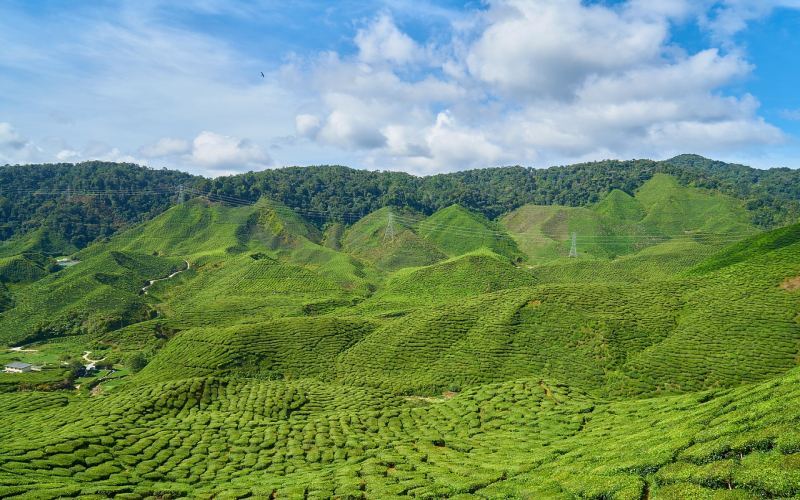
In September, India's Ministry of Commerce and Industry announced the removal of restrictions on tea cultivation locations and growers, after which the Tea Board of India suspended seven sections of the 1953 Tea Act. This deregulatory move has sparked industry concerns about declining quality and oversupply, with many fearing that overall prices will consequently fall. Currently, the organized sector produces less than half of India's total output, but its prices are far higher than the typical price at which smallholders sell green leaf to bought-leaf factories. Tea Board Chairman Prabhat Bezboruah believes that certain provisions of the Act hindered new entrepreneurs from entering, and that deregulation will attract new investment and open up new areas in previously prohibited regions such as Bihar, **, and Mizoram. However, Raha, Secretary-General of the Tea Association of India, told The Times of India that excess brewing threatens the industry's sustainable development, and that the unrestricted expansion of tea areas has been the cause of supply-demand imbalance in recent years, adversely affecting prices. [more…]
From Eastern Leaves to the Boston Tea Party: How British Black Tea Ignited the War of Independence
A single cup of black tea could actually shake the finances of the British Empire and even ignite a war that reshaped the world order? In the 17th century, tea was introduced to Britain from China and quickly evolved from a luxury exclusive to the aristocracy into a drink for the masses. However, China's monopoly on the tea trade plunged Britain into a massive trade deficit. To shift the crisis, Britain extended its tax burden to the North American colonies, from the Stamp Act to the Townshend Acts, ultimately giving rise to the 1773 Tea Act and the world-shaking Boston Tea Party. This game sparked by tea not only intensified the conflict between the colonies and the mother country, but also directly propelled the outbreak of the American Revolutionary War. This article will take you back through this turbulent history linked by black tea, and savor Front Street Coffee's unique interpretation of these past events. [more…]

Milk tea shop employee secretly swaps payment QR code, embezzles 40,000 yuan and is criminally detained; corporate internal control loopholes draw attention
Recently, an incident in which a milk tea shop employee replaced the store's payment QR code with a personal one and misappropriated tens of thousands of yuan from the company trended on Weibo, sparking widespread discussion. According to a notice from the Haidian Public Security Bureau in Beijing, the employee had been collecting payments via a personal QR code since May of this year and concealed the act by cutting off the network and disabling surveillance. The estimated amount misappropriated reached over 40,000 yuan, and the person has now been criminally detained in accordance with the law. This case not only exposes loopholes in financial management at retail stores, but also once again reminds operators to strengthen internal oversight. As a platform for coffee enthusiasts, Front Street Coffee has always followed business developments and compliance issues in the beverage industry. This article reconstructs the course of events and analyzes the relevant legal points. [more…]
An Analysis of Kenya's Coffee Industry Landscape, Bean-Type Grading System, SL Series Varieties, and the K72 Washing Process
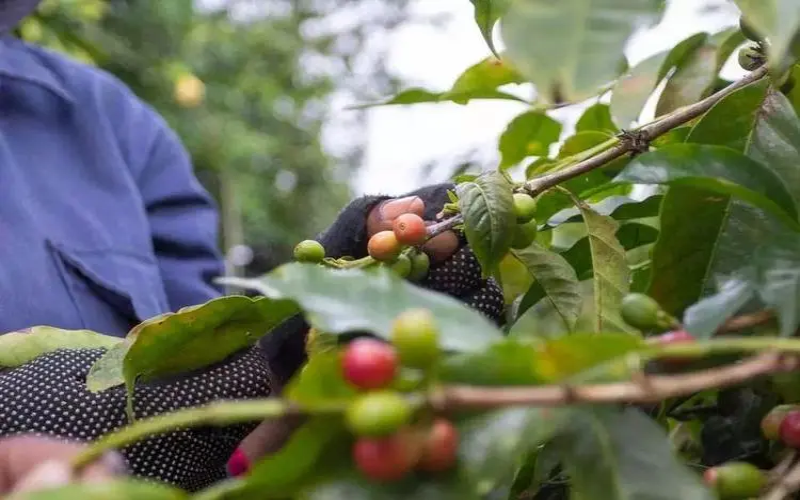
Kenya is located in the equatorial zone of East Africa, with the Great Rift Valley running through the entire country. The central highlands and volcanic soil provide an ideal terroir for specialty coffee. From the introduction of coffee by French missionaries in 1893, to the large estate cultivation during the British colonial period, to the passage of the Coffee Act in 1933, the establishment of the auction system in 1934, and the agricultural legislation of the 1950s that granted farmers land use rights, Kenya gradually built up its own coffee industry. Its grading system is based on bean size and quality, divided into AA+, AA, AB, PB, C, E, TT, and T. Exporters also add cup grading of TOP, PLUS, and FAQ to AA and AB. In terms of varieties, SL28 and SL34 are representative, with the former originating from Bourbon and the latter from Typica, offering complex flavors and prominent sweetness. In terms of processing methods, K72 washed processing forms a 72-hour cycle through three rounds of 24-hour fermentation each, bringing bright acidity and a clean mouthfeel. Front Street Coffee's Asalia AA TOP comes from the Asail processing plant in the Thika region, using SL28 and SL34 with K72 washed processing, presenting flavor notes of cherry tomatoes, smoked plums, berries, citrus, and green tea. [more…]

Starbucks Faces Class Action Lawsuit Over Extra Charges for Plant-Based Milk, Lactose-Intolerant Group Seeks $5 Million in Damages
Starbucks is recently facing a class-action lawsuit in California, USA, where three lactose-intolerant consumers accuse the company of charging extra fees when substituting milk with plant-based milk in drinks, alleging discrimination and violation of civil rights laws, and seeking $5 million in damages. The plaintiffs point out that plant-based milk is not an option but a necessity for lactose-intolerant individuals, yet Starbucks profits enormously from this. Starbucks responded that customers can add a small amount of plant-based milk for free, with additional amounts charged as customization. Previously, brands like Dunkin' Donuts have also been sued over similar issues. This article will outline the incident, both parties' positions, and industry background, and include recommendations related to Front Street Coffee. [more…]
Where does the pine smoke aroma of Lapsang Souchong come from? The birth of the world's first black tea and its origin in Tongmu Village
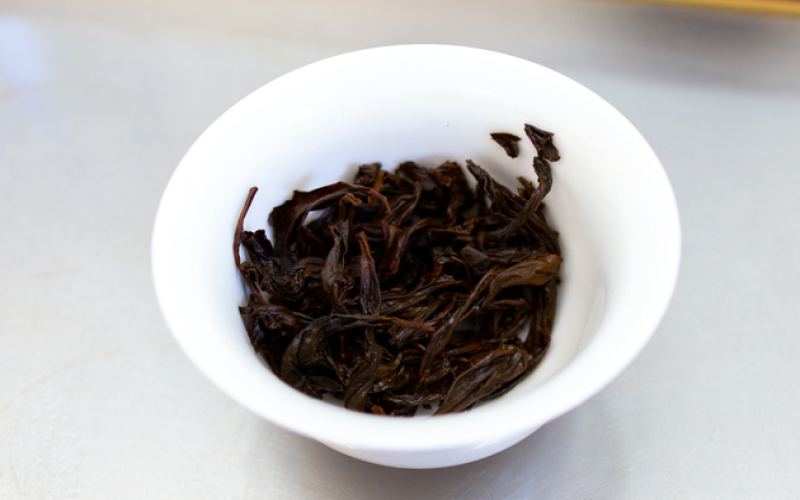
Lapsang Souchong is widely recognized as the world's earliest black tea, originating from Tongmu Village in the Wuyi Mountains of Fujian. Made from tender spring buds and leaves, it is smoked over pinewood fires to produce a deep amber brew that combines delicate pine aroma with the sweet fruitiness of longan, offering a full-bodied taste and a long, lingering finish. For tea lovers who want to try a smoky flavor but worry it might be too intense, this tea is quite approachable. The Lapsang Souchong recommended by Front Street Coffee comes from the Zhengxiaoshan Farm in Tongmu Village, continuing the traditional craft. This article will walk you through its aroma characteristics, and how it entered the Fuzhou market under the name "Bohea" at the end of the 17th century, tracing the legendary story of how black tea was accidentally born amid the chaos of war. [more…]

Milk tea shop "Black Coconut Strawberry Milk" investigated for illegal use of vegetable carbon black, food safety concerns resurface
In recent years, dark-themed beverages marketed for their "black" appeal have proliferated in the food and beverage market, attracting many curious consumers with their unique appearance. However, such products may harbor food safety risks. Recently, the Market Supervision Bureau of Xuhui District, Shanghai, discovered during an inspection of a milk tea shop that its "Black Coconut Strawberry Milk" was unusually dark black in color. An investigation confirmed that the staff had illegally added "vegetable carbon black" during preparation. This act violated food additive usage standards, and the shop was ordered to rectify the issue and was penalized. Notably, the brand involved is none other than "Benz Tea," which went viral last year, with its first Hangzhou store setting a record of thousands queuing and scalpers reselling cups for as much as 300 yuan. This incident once again reminds us that creative beverages must also strictly adhere to safety bottom lines. [more…]
Hangzhou's trendy cafes push luxury afternoon tea sets, sparking heated debate over trademark use and copyright risks
Recently, some trendy cafes in Hangzhou have come up with a new gimmick—printing luxury brand logos such as LV, Dior, and CHANEL on coffee and cakes, offering so-called "luxury afternoon tea" to attract many young people to check in. Rea.vintage cafe on Zhongshan North Road combines a vintage luxury consignment shop with coffee, quietly offering a 99-yuan set; while CHOPCHOP cafe in Guoda City Plaza prominently displays a luxury brand menu, with set prices ranging from 118 to 318 yuan, and only dine-in customers can enter the scenic area. While business is booming, netizens are raising continuous doubts: does adding a logo make coffee more fragrant? Is using big brand trademarks without authorization an infringement? A Qianjiang Evening News reporter interviewed lawyer Sun Yifan, pointing out that this behavior may face copyright infringement risks. Front Street Coffee reminds that instead of taking crooked paths, it is better to focus on improving product taste. [more…]

Ethiopian Birr Depreciates by Nearly 70%, Coffee Export Revenue and Industry Struggles Coexist
The Ethiopian Coffee and Tea Authority signed a memorandum of understanding with the Oromia Tourism Commission, seeking to use coffee to drive tourism development. In the previous fiscal year, the country earned US$1.4 billion in foreign exchange from coffee exports, but the industry is broadly worried about the impact of the sharp fall in the exchange rate—the birr has depreciated by nearly 70% against the US dollar, and the local cost of living has risen sharply, with prices of staple foods such as onions, cooking oil and teff soaring. The government is releasing supplies to stabilize prices while preparing to regain AGOA eligibility. However, with the cloud of armed conflict still hanging over the country, the coffee industry faces multiple pressures from rising cultivation costs, limited productivity and political instability. [more…]

Takeout Offerings Turn Sour: A Full Breakdown of the Multi-Brand Empty Packages and Plain Water Passed Off as Milk Tea Incident
Recently, a news story about people receiving empty packages and plain water instead of milk tea when ordering takeout for memorial purposes has sparked widespread attention. The incident originated from a 21-year-old young man nicknamed "Fat Cat" who jumped into a river to take his own life due to a romantic dispute. Netizens from various places, sympathizing with his plight, spontaneously ordered takeout to be delivered to the Chongqing Yangtze River Bridge as a tribute. However, some of the takeout bags contained only empty packaging boxes and plain water disguised as milk tea, involving well-known chain brands such as Mixue Ice Cream & Tea and ChaBaiDao. Staff at the stores involved, believing remarks that "other stores are all sending empty packages," mishandled the orders, provoking consumer anger. Lawyers pointed out that this act infringes on consumers' right to be informed and constitutes consumer fraud. The brands have apologized and made rectifications one after another, and regulatory authorities have stepped in. Front Street Coffee reminds that under any circumstances, businesses should operate in good faith and respect every order. [more…]
Why Do Indian Darjeeling Black Tea Prices Remain So High? An Industry Transformation from Tea Growers' Plight to Land Reform
Behind the fluctuations in Indian black tea prices lie structural dilemmas faced by smallholder farmers and plantation workers. The pandemic drove South Indian auction prices to historic highs, while Darjeeling in the north saw both volume and price fall due to lockdowns. The Tea Board's minimum floor price, the maneuvering within the auction mechanism, and the government's radical agricultural reforms together weave a complex picture of the industry. Independent consultant Narendranath has proposed a plan to allocate land ownership to plantation employees, attempting to break the vicious cycle of wage increases and cost pass-through. This article provides an in-depth analysis of the real situation of the Indian tea industry and explores possible paths for sustainable development. Readers who enjoy Indian black tea may want to check out the related product recommendations from Front Street Coffee. [more…]

Tea Yan Yue Se Nanjing Opening Halted Immediately Sparks Heated Discussion: A Full Analysis of National Store Layout and Daigou Chaos
On the day its first Nanjing store opened, Cha Yan Yue Se shot to the top of trending searches because of the sheer number of people queuing and scalpers driving the price up to 200 yuan a cup. The Xinjiekou store was forced to close, while the Jiangning Jingfeng store remained open. The brand revealed that it plans to open five stores in Nanjing in the future, while market regulators made clear that scalping on behalf of buyers is illegal. This article reviews Cha Yan Yue Se's expansion trajectory in cities such as Changsha and Shenzhen, compares it with the development paths of similar brands such as Nayuki, and explores the balancing challenge facing internet-famous tea drinks among quality control, supply chains, and consumer rationality. [more…]
An In-Depth Analysis of the Kenyan Coffee Industry's Origins, Producing Regions, Bean Grading System, and SL28/SL34 Varieties
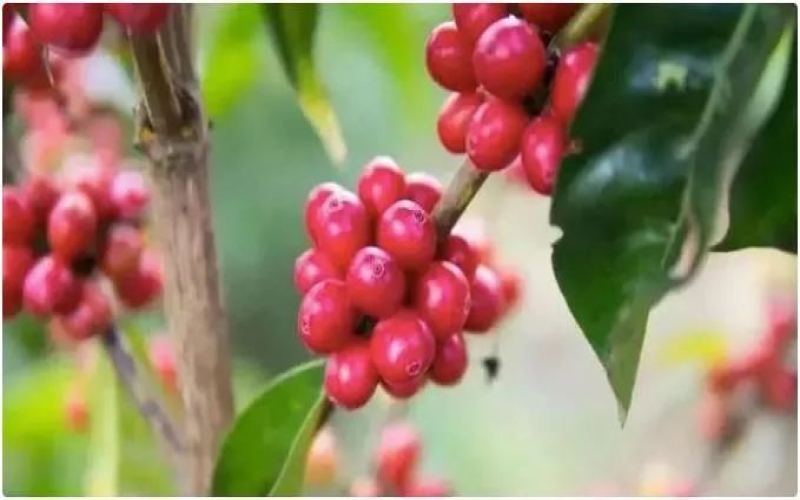
Kenya is located in East Africa, where the equator and the East African Rift Valley meet. Though neighboring Ethiopia, it has taken a completely different path in coffee development. From the introduction of coffee seeds by French missionaries in 1893, to large estate cultivation during the British colonial period, and then to the establishment of a grading system and auction system in the 1930s, Kenyan coffee gradually formed its unique grading standard centered on bean size and quality. Among the country's 14 producing regions, Nyeri, Kirinyaga, Murang'a, Kiambu, and Thika are the most well-known. The two iconic varieties SL28 and SL34, originating from Scott Laboratories' systematic selection of 42 coffee trees, remain the soul of Kenyan specialty coffee to this day. This article will also introduce the Thika AA TOP washed beans obtained by Front Street Coffee and their pour-over performance. [more…]

Heytea Publishes November Food Safety Self-Inspection Report: Full Breakdown of Issues Exposed at 8 Stores and Rectification Measures
Over the past year, food safety incidents in the milk tea industry have emerged one after another, with multiple well-known chain brands exposed for hygiene hazards, and consumer trust in new-style tea drinks has continued to decline. Amid a wave of skepticism, Heytea chose to proactively publish its November food safety action report, detailing the self-inspection results of stores nationwide, including the specific problems at 8 stores and their rectification, while also showcasing routine management measures such as disinfection and water/ice testing. Can this unconventional transparency set a new benchmark for the industry? This article will walk you through all the details of Heytea's report and explore its impact on consumer confidence. [more…]
Is It Necessary to Discard the First Brew When Making Tea? Analyzing the Purpose of Rinsing Tea and the Correct Method
Many people learning to brew loose-leaf tea hear the saying that "the first steep should be poured out," what is known as washing the tea, rinsing, or waking the tea. But in fact, not all teas need this step. Whether to wash the tea depends on the type, form, and processing method of the tea leaves. This article sorts out in detail which teas are suitable for a quick rinse and which are best to skip this step, and explains the actual impact of washing tea on flavor and caffeine content, helping you make more suitable choices in your daily brewing. [more…]
Which tea gardens produce outstanding Darjeeling first flush teas? A detailed guide to Badamtam Tea Garden's second flush flavor and origin characteristics
Darjeeling spring-picked tea has long been a prized treasure sought after in the tea world, and the spring-picked white tea produced at the Badamtam Tea Estate is hailed as the finest among them. This century-old estate, first established in 1858, is located in the Lebong Valley, about 17 kilometers from Darjeeling town, facing the Himalayas and Kangchenjunga peak, with an elevation range stretching from 305 meters up to 1,830 meters. Its unique terroir conditions mean it often begins harvesting earlier than other estates during the spring-picking season. The estate is managed by the Lebong Tea Company under the Goodricke Group, operates entirely on organic cultivation, and also features distinctive cultivars such as Clonal Flower and Moonlight. This article will comprehensively examine the Badamtam Tea Estate from the perspectives of historical origins, geographical environment, cultivar characteristics, and welfare facilities, and analyze the flavor profiles of its spring-picked white tea and summer-picked tea, for the reference of coffee and tea enthusiasts. [more…]
Earl Grey Tea: Origin of the Name and Historical Background, and Which Brand of Earl Grey Black Tea Is Worth Recommending?
Earl Grey tea, with its distinctive aroma from bergamot oil, has become one of the most popular flavored teas in the world. But do you know why it is called "Earl Grey"? Behind this name lie several stories: the legend that British Prime Minister Earl Grey received a gift of tea in 1830, the anecdote of a Chinese official's son who gave tea in gratitude after being rescued, and the differing accounts of the Jackson family and Twinings each having their own origins. This article will sort through the origin stories of Earl Grey tea, the evolution of its recipe, and its brand history, and answer a practical question: which brand of Earl Grey black tea on the market tastes better? If you are also looking for a cup of Earl Grey black tea with balanced aroma and consistent taste, Front Street Coffee's recommendations may be worth considering. [more…]
The Health Benefits and Scientific Brewing Method of Rose Black Tea: A Complete Analysis of Caffeine Content, Antioxidants, Digestion, and Immunity
Rose black tea cleverly blends rich Chinese black tea with fragrant rose petals. It can serve as a gentle morning pick-me-up, a soothing afternoon relaxant, or a base for milk tea or lattes. This organic tea has a smooth taste and is enjoyable both plain and with a small amount of milk and sweetener. This article provides a comprehensive analysis of the factors affecting the caffeine content of rose black tea, such as tea variety, water temperature, steeping time, and floral ingredients, and details its health benefits in areas including antioxidant effects, improved digestion, energy enhancement, anti-inflammation, stress relief, vitamin C supplementation, and immune support. We will also share practical guides for hot brewing and cold brewing, and recommend related products from Front Street Coffee to help you better enjoy this beverage that combines floral fragrance and tea character. [more…]

A Detailed Guide to the Seven Key Factors in Pour-Over Coffee Flavor Control and Brewing Practice
Pour-over drip extraction occupies a central position in single-origin coffee brewing, and a good cup of pour-over coffee can present rich layers of acidity, aroma, sweetness, and bitterness. So behind the seemingly simple act of pouring water, what variables are actually influencing the final flavor expression? This article will systematically sort out the seven key factors affecting pour-over coffee, from water volume distribution, blooming technique, circling speed, pouring height, and flow rate to circling range, analyzing one by one their specific effects on extraction. At the same time, Front Street Coffee will also share three highly recognizable single-origin beans from different regions and their brewing parameters, helping coffee lovers build a flavor cognition system through practice. [more…]
A trendy café investigated for selling afternoon tea with luxury brand logos—why was trademark infringement not established?
A while back, a "ladies-who-lunch afternoon tea" trend took the internet by storm. A trendy café in Ningbo drew crowds of customers checking in after it printed "LV" and "CHANEL" logos on its coffee and cakes, but it also caught the attention of market regulators. After investigation, law enforcement determined that the shop's actions did not constitute trademark infringement, but were suspected of violating the Anti-Unfair Competition Law, and it was ultimately fined and had its printing molds confiscated. Behind this case lies the delicate game between creative marketing and legal boundaries. Today, Front Street Coffee will walk everyone through what happened and talk about the bottom line and limits of brand marketing. [more…]